- English
- Español
- Português
- русский
- Français
- 日本語
- Deutsch
- tiếng Việt
- Italiano
- Nederlands
- ภาษาไทย
- Polski
- 한국어
- Svenska
- magyar
- Malay
- বাংলা ভাষার
- Dansk
- Suomi
- हिन्दी
- Pilipino
- Türkçe
- Gaeilge
- العربية
- Indonesia
- Norsk
- تمل
- český
- ελληνικά
- український
- Javanese
- فارسی
- தமிழ்
- తెలుగు
- नेपाली
- Burmese
- български
- ລາວ
- Latine
- Қазақша
- Euskal
- Azərbaycan
- Slovenský jazyk
- Македонски
- Lietuvos
- Eesti Keel
- Română
- Slovenski
- मराठी
- Srpski језик

How Does a High-Efficiency Solar Module Drive Long-Term Energy Performance?
2025-12-11
The rapid expansion of global renewable energy deployment has positioned solar modules as a primary solution for stable, low-carbon power generation. A solar module—composed of interconnected photovoltaic (PV) cells—converts sunlight into usable electrical energy through semiconductor materials engineered for maximum photon absorption and electron mobility. As commercial demand shifts toward higher conversion efficiency, longer service life, and lower Levelized Cost of Energy (LCOE), the selection of a well-engineered solar module has become central to system reliability and project ROI.
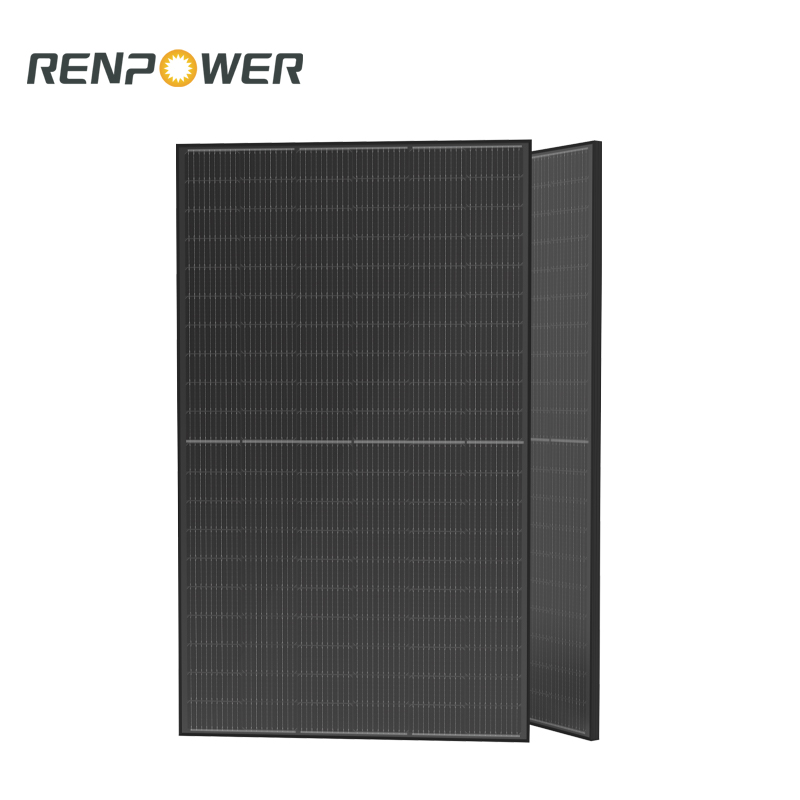
To support technical assessment, foundational parameters of a high-performance solar module are summarized in the following table:
| Key Parameter | Typical Specification Range |
|---|---|
| Power Output (W) | 400 W – 600 W |
| Module Efficiency | 20% – 23% (depending on cell architecture) |
| Cell Type | Monocrystalline PERC / Half-Cut / TOPCon / HJT |
| Operating Temperature Range | –40°C to +85°C |
| Maximum System Voltage | 1500 V DC |
| Weight | 20 kg – 30 kg |
| Dimensions | Approx. 2000 mm × 1000 mm (varies by watt class) |
| Glass Type | High-transmittance tempered glass, 3.2 mm |
| Frame Material | Anodized aluminum alloy |
| Junction Box | IP68 protection grade |
| Fire Rating | Type 1 or Type 2 |
| Mechanical Load | Up to 5400 Pa (front), 2400 Pa (rear) |
| Product Warranty | 12–15 years |
| Performance Warranty | ≥ 84% power output after 25–30 years |
How Do Structural Design Choices Influence Solar Module Durability and Power Output?
A solar module’s long-term performance is heavily influenced by the interaction of internal cell technology, encapsulation materials, frame structure, and junction box engineering. Understanding these aspects enables procurement teams, EPC contractors, and system designers to evaluate module suitability for specific project conditions.
1. Photovoltaic Cell Architecture
High-efficiency monocrystalline cells remain the industry standard due to their uniform crystal structure and optimal electron flow. The most widely deployed technologies include:
-
PERC (Passivated Emitter and Rear Cell)
Enhances light capture through rear-surface passivation, producing higher efficiency at relatively low manufacturing cost. -
Half-Cut Cell Designs
Reduces resistive losses and improves shade tolerance, enabling stronger performance in variable light environments. -
TOPCon (Tunnel Oxide Passivated Contact)
Offers exceptionally low recombination rates and higher conversion efficiency, particularly valuable for utility-scale energy yield. -
HJT (Heterojunction)
Combines crystalline and thin-film technologies, supporting excellent temperature coefficients and superior low-light performance.
2. Encapsulation and Lamination
A typical module comprises tempered glass, EVA, PV cells, and a weather-resistant backsheet. High-transmittance glass enhances photon capture, while robust EVA bonding ensures thermal stability. The backsheet protects against moisture ingress and ultraviolet degradation, which is essential for maintaining electrical insulation integrity over decades.
3. Frame and Mechanical Reinforcement
Modules with anodized aluminum frames provide a balance between rigidity and corrosion resistance. Frame strength determines the module’s capacity to withstand snow pressure, wind uplift, and installation stress. Mechanical load ratings, especially those reaching 5400 Pa front load, are critical for regions with heavy snow or harsh climate cycles.
4. Electrical Configuration
Multi-busbar technologies reduce resistive pathways and optimize current conduction. A well-designed junction box with IP68 protection ensures safety and minimizes power loss through high-temperature diodes.
How Do Environmental Conditions Affect Solar Module Performance Over Time?
Solar modules operate in dynamic outdoor environments where temperature variations, humidity levels, ultraviolet exposure, and particulate accumulation all influence energy output. Understanding these interactions helps forecast project performance and maintenance requirements.
1. Temperature Coefficient and Heat Dissipation
The temperature coefficient expresses how output power declines with rising temperature. Higher-end modules typically achieve coefficients around –0.30%/°C to –0.35%/°C. Superior heat dissipation is generally associated with:
-
Efficient cell architecture
-
Optimal spacing within the module
-
Proper mounting structures that allow airflow
Lower temperature coefficients directly contribute to increased yield in hot climates.
2. Low-Light and Diffuse Light Response
Modules with optimized spectral response perform more consistently during cloudy conditions, dawn, and dusk. HJT and TOPCon cells demonstrate particular advantages in low-irradiance environments due to their unique passivation layers.
3. Soiling and Dust Accumulation
Dust, sand, pollen, or industrial pollutants on glass surfaces reduce energy production. Anti-reflection and hydrophobic coatings can significantly mitigate soiling losses, improving daily generation and lowering cleaning frequency.
4. Degradation Rates
Annual degradation reflects the percentage of power output lost each year. Typical crystalline modules present a first-year degradation of approximately 2% and subsequent yearly degradation of 0.45%–0.55%. Premium modules engineered with advanced encapsulation materials often achieve significantly lower long-term loss rates.
How Are Solar Modules Advancing to Meet Future Market and Energy Demands?
The photovoltaic sector is transitioning toward higher efficiency, more sustainable materials, and smarter integration options to support large-scale electrification. Major technological and market drivers include:
1. Next-Generation Cell Efficiency
TOPCon and HJT represent the new industry standard, pushing efficiencies into the 22%–24% range. These improvements help meet global demand for higher energy density in limited installation spaces.
2. Larger Wafer Formats and Higher Watt Classes
Manufacturers are adopting G12 wafers to produce modules exceeding 580 W in power output. This shift reduces BOS (Balance of System) cost by enabling more energy production per module, fewer strings, and lower installation time.
3. Bifacial Power Generation
Bifacial modules, combined with reflective ground surfaces, deliver additional rear-side power gains of up to 25%. This is especially beneficial in utility-scale arrays.
4. Smart Monitoring and Integration
Integrating module-level power electronics (MLPE), such as microinverters and optimizers, enhances performance monitoring, rapid shutdown compliance, and real-time productivity management.
5. Sustainability and End-of-Life Strategies
Future-oriented manufacturing trends emphasize low-lead solders, recyclable materials, and energy-efficient production. Circular economy models are beginning to support module recycling and material recovery.
How Should Businesses Evaluate and Select an Optimal Solar Module Provider?
A thorough evaluation process ensures that project owners select modules aligned with performance expectations, financial metrics, and environmental conditions. Key assessment dimensions include:
1. Certification and Compliance
Verified quality certifications are mandatory for system safety and long-term reliability. These include:
-
IEC 61215 (performance qualification)
-
IEC 61730 (safety standard)
-
UL 61730 for North American markets
-
Salt-mist and ammonia resistance certifications for demanding climates
Modules with additional stress-test endorsements often demonstrate stronger field resilience.
2. Warranty Structures and Service Assurance
A robust warranty reflects manufacturing confidence. Industry-standard warranties include:
-
Product warranty of 12–15 years
-
Power performance guarantee of at least 25–30 years
When evaluating suppliers, it is essential to assess financial stability and historical warranty fulfillment.
3. Field Performance Data and Case Studies
Real-world performance in similar climate zones offers valuable insight. Tracking degradation rates, downtime events, and maintenance cycles helps refine ROI models and predict long-term performance.
4. Installation Compatibility and System Design Flexibility
Modules should align with racking systems, MLPE requirements, and voltage configurations to ensure seamless integration across residential, C&I, and utility-scale projects.
Common Questions About Solar Modules
Q1: How long does a solar module typically last in real-world conditions?
A well-manufactured solar module commonly delivers productive energy output for 25 to 30 years or more. Degradation occurs gradually due to thermal cycling, UV exposure, and natural material aging. With proper maintenance, including periodic cleaning and system checks, modules can maintain 84% or more of nameplate power output after decades of operation.
Q2: What factors most significantly impact daily and annual energy yield?
Primary influences include sunlight intensity, module orientation, ambient temperature, shading patterns, cell technology, and cleanliness of the glass surface. High-efficiency architectures such as TOPCon or HJT, combined with optimal tilt angles and minimal shading, contribute to superior daily production and improved lifetime kWh output. Environmental conditions—such as dust exposure or humidity—should also be considered in system design.
High-efficiency solar modules play an essential role in advancing global clean energy production by delivering reliable, long-term performance across diverse environmental conditions. Understanding structural design, electrical characteristics, thermal behavior, degradation profiles, and emerging technologies enables businesses and project developers to make informed decisions when selecting photovoltaic equipment. As the industry continues to evolve, emphasis on efficiency, durability, sustainability, and system compatibility will shape the next generation of solar solutions.
For organizations seeking dependable manufacturing quality, engineering integrity, and consistent supply capability, Ningbo Renpower Technology CO., LTD offers professional expertise and well-engineered solar module solutions suitable for residential, commercial, and utility-scale deployment. To explore specifications, quotations, or technical consultation, contact us for detailed support.